
In the ever-evolving landscape of social media, particularly on platforms like Instagram, understanding the dynamics of followers and unfollowers is crucial for anyone looking to grow their online presence. The concept of unfollowers for instagram has emerged as a significant aspect for users who want to manage and understand their audience better.
The Importance of Monitoring Unfollowers
As users gain and lose followers regularly, the reasons behind these changes can vary widely. Some may unfollow due to content that no longer resonates with them, while others might simply be cleaning up their feed. Monitoring unfollowers can provide insights into what content, themes, or strategies may require adjustment to better align with the audience’s expectations.
Understanding the Impact of Unfollowers
Unfollowers are not just individuals who dismiss your account; they can represent a shift in your brand’s perception and audience engagement. For businesses, losing followers might reflect dissatisfaction with service or product quality. For influencers, it could indicate a loss of connection or engagement from their audience. Tracking these changes becomes essential to refine strategies, improve content delivery, and ultimately enhance engagement rates.
The mental and emotional implications of unfollows can also be significant for users, especially those who associate their self-worth with follower counts. However, recognizing the importance of unfollowers can help shift perspectives towards a more analytical approach, focusing on the quality of interactions over sheer numbers.
Tools to Track Unfollowers
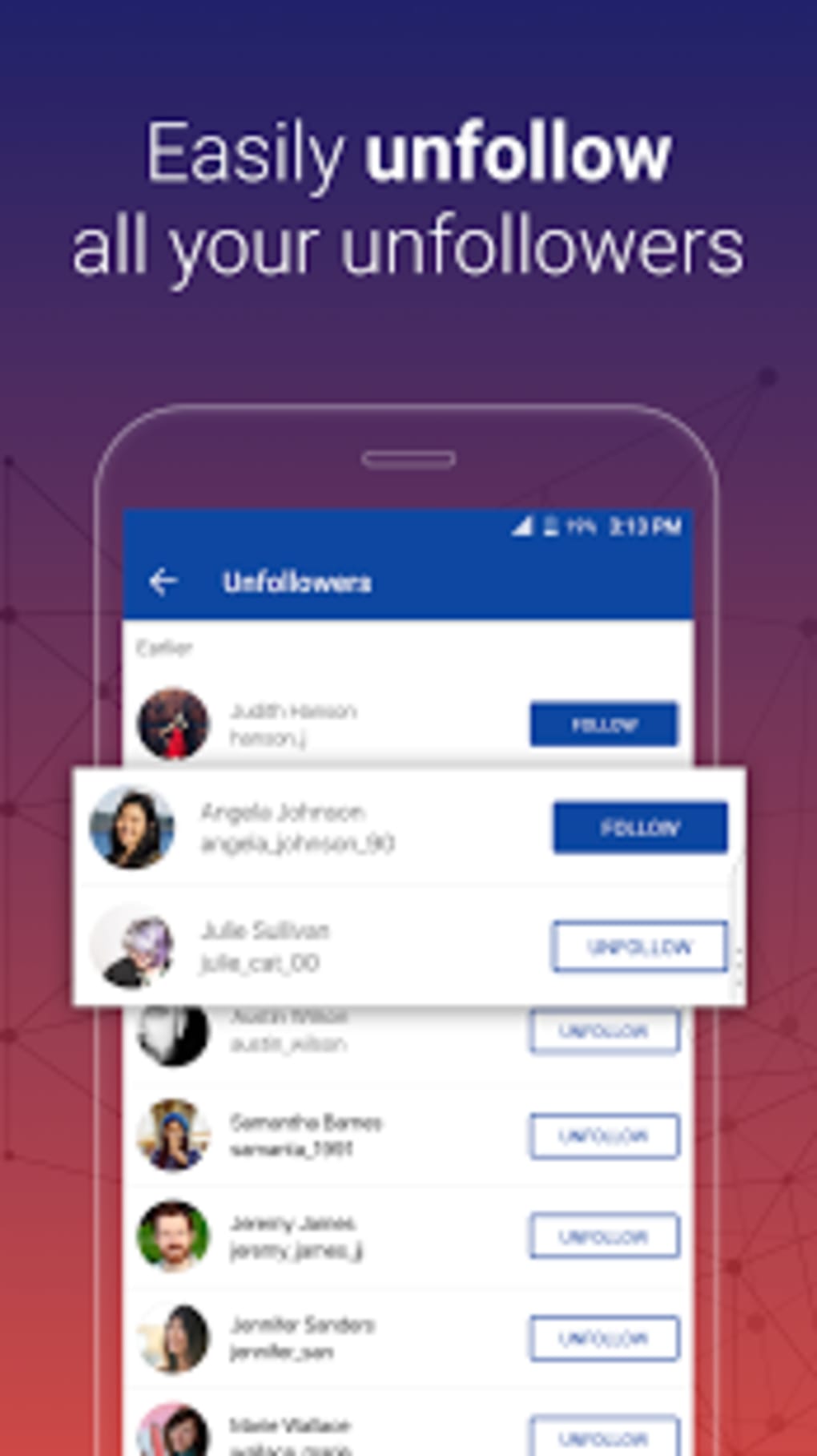
To efficiently manage and analyze unfollowers on Instagram, many users turn to mobile and web applications designed specifically for this purpose. One such application is dedicated to tracking unfollowers—allowing you to quickly identify who has chosen to exit your follower list.
These tools not only highlight users who have unfollowed you but also provide insights into various metrics, such as engagement rates and follower growth over time. This analytical approach helps in crafting strategies that align with the audience’s interests, ultimately fostering a more engaged community.
Strategies to Reduce Unfollows
While it’s impossible to retain every follower, implementing thoughtful strategies can greatly reduce the likelihood of unfollows. Here are several effective strategies to enhance follower retention:
- Consistent Content Quality: Ensure that your posts consistently meet a certain quality standard. Use good photography, and compelling captions, and maintain a cohesive aesthetic.
- Engagement: Respond to comments and messages, engage with followers’ content, and foster a sense of community. People are less likely to unfollow accounts that interact with them.
- Authenticity: Be genuine in your posts. Share both highs and lows of your personal or brand journey, and audiences may relate more closely to authentic experiences.
- Content Variety: Mix up your content to keep the feed fresh and interesting. Use a combination of videos, stories, reels, and static posts.
- Understand Your Audience: Analyze follower demographics and tailor your content accordingly. Utilize insights from Instagram’s analytics to see what types of posts are resonating most.
The Role of Instagram Analytics
Instagram provides analytics tools directly within the app for personal and business accounts. These analytics can give insights into demographics, engagement rates, and content performance. By regularly reviewing this data, users can identify trends in their audience’s preferences and adjust their content strategy accordingly.
Moreover, many third-party applications also provide more detailed analytics that allow for deeper insights into unfollowing behavior. By understanding these metrics, users can make informed decisions on how to build better relationships with their audience.
When Unfollows Might Not Be Bad
Interestingly, not every unfollow represents a failure. Sometimes, a follower may unfollow simply because they no longer find the content relevant to them. Seasonal changes in interests and demographics can play a significant role in this behavior. As trends evolve, so do followers.
Similarly, businesses may find that the unfollowed accounts do not align with their target audience. This can provide an opportunity to attract new followers who are more engaged with your brand and its mission.
Ultimately, focusing on creating a genuine connection with your audience can often yield better results than obsessing over follower counts. Allowing your community to evolve organically will lead to more authentic engagement in the long run.
Conclusion
In the world of Instagram, unfollowers are a natural phenomenon that everyone should expect to encounter. Instead of treating unfollows as setbacks, consider them valuable opportunities for growth and improvement. By utilizing tracking tools, such as those mentioned, and adopting solid strategies to maintain your audience, users can turn potential unfollow disasters into learning experiences. The ultimate goal is to foster a vibrant, engaged community around your brand—where quality connections rule over quantity.